
The confidence in ultrasound guidance
When deciding on a steroid injection, your key question is likely, “Will it get to the right spot?” The core value of ultrasound guidance is the confidence it provides. Instead of estimating based on touch and landmarks, clinicians use live imaging to see the needle’s path in real-time, ensuring precise delivery of medication.
Sonorad‘s dedicated ultrasound-guided injection clinic utilises this high-end technology to offer targeted treatment for joints, tendons, and soft tissues. Their approach emphasises accuracy, safety, and ensuring you feel informed and comfortable throughout the experience as a complete one-stop solution.
Below, we detail how ultrasound guidance improves outcomes compared to traditional methods and what you can anticipate from your visit to Sonorad Ultrasound Clinic.
What “ultrasound guided” actually means
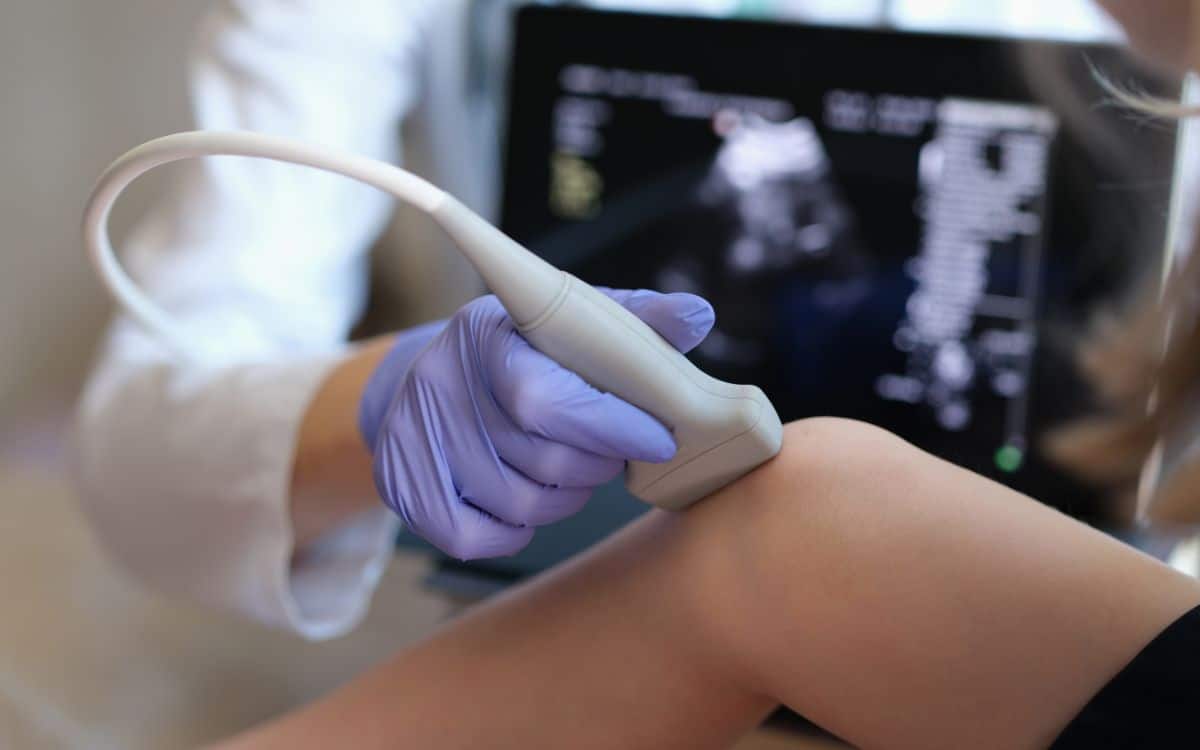
An ultrasound-guided injection uses a diagnostic ultrasound scan to visualise the anatomy and track the needle in real time. The clinician can identify the target structure, plan a safe route, and confirm the needle tip position before medication is delivered. This approach is widely used in musculoskeletal services because ultrasound is radiation-free and provides live feedback during the procedure, in experienced hands.
In day-to-day terms, ultrasound guidance can be especially helpful when the target is small, deep, or close to sensitive structures, and when surface landmarks are less reliable.

What is a blind injection, and why does accuracy vary
A blind injection is also called a landmark-guided injection. It is performed using clinical assessment and surface anatomy, without live imaging to confirm the needle tip position.
Sometimes landmark guidance is perfectly reasonable, particularly for larger, more superficial joints where the target is easier to access. The challenge is that musculoskeletal problems are not “one size fits all”. Tissue depth, swelling, prior injury, and natural variation in anatomy can all shift where the target sits relative to what can be felt from the skin.
That is why accuracy can vary between body areas and between patients, even with skilled clinicians.

What the evidence says about ultrasound guidance accuracy
When researchers compare ultrasound-guided injections with landmark-guided injections, a consistent finding is improved needle placement accuracy in many settings. A recent umbrella review that synthesised systematic reviews and meta-analyses concluded that ultrasound-guided injections are generally more accurate than landmark-guided injections, while improvements in pain and function can vary depending on the site and condition.
UK-focused professional guidance also reflects this pattern, noting that increased access to image guidance has changed practice in many areas by improving accuracy.
An important point for patients to consider: the accuracy of ultrasound guidance boosts your confidence that the injection is reaching the right spot. It’s important to remember, however, that your individual outcome still depends on factors like your specific condition, its severity, and your wider treatment strategy. Think of ultrasound as the best way to maximise precision; it reduces the guesswork but isn’t a promise of a particular result.
Why precision matters for safety as well as results
People often think of guidance in terms of effectiveness, but precision also matters for safety and control. Seeing the needle path and the target can help the clinician avoid structures that should not be disturbed and can reduce the need for repeated passes in more technically demanding areas.
This is also why training, competence, and an appropriate clinical pathway matter. UK practice guidance for ultrasound-guided musculoskeletal injections focuses heavily on standards, indications, cautions, and safe service delivery.
Steroid injections: what they can and cannot do
Steroid injections are used to reduce inflammation and pain in joints and soft tissues. They can help settle a flare and enable movement, but they do not “fix” the underlying cause on their own. Versus Arthritis explains that steroid injections can treat symptoms, but cannot treat the underlying cause of the condition, and are usually part of a wider rehabilitation plan.
At Sonorad, this is an important part of a sensible decision. The injection should make clinical sense for your symptoms, the scan findings, and your overall plan, not simply because an injection is available.
Aftercare: what is normal and what is not
It is common to have temporary soreness at the injection site. Some people experience a short-term increase in pain for a day or two after the injection, and many leaflets recommend taking it easy for a short period afterwards. The NHS also advises resting the treated joint for 24 hours after hydrocortisone injections and avoiding heavy exercise, with simple pain relief if needed.
If you feel increasingly unwell, develop spreading redness, marked heat, fever, or escalating pain, you should seek urgent medical advice as these can be warning signs of infection.
Patients are advised by Sonorad not to operate a vehicle after the procedure. Transportation home should be arranged via a family member, friend, or public transport.

Why Choose Sonorad for Ultrasound-Guided Injections?
Sonorad is led by highly qualified, extensively experienced NHS-trained consultant radiologists and sonographers who specialise in diagnostic musculoskeletal ultrasound and Ultrasound-Guided Steroid Injections. We pride ourselves on delivering clear, accurate results in a friendly and professional setting. We offer flexible afternoon/evening appointments, and our location is ideal for people travelling from Berkshire, Buckinghamshire, and West London.
Our patients value the fact that they can book directly with us, avoid long waiting times, and speak to an expert on the day of their scan.
FAQs for patients considering ultrasound-guided steroid injections at Sonorad
What is an ultrasound-guided steroid injection?
An ultrasound-guided steroid injection is a procedure where ultrasound is used to guide the needle into the intended target, such as a joint, bursa, or tendon sheath. The medication commonly includes a corticosteroid to reduce inflammation and includes a local anaesthetic to numb the area and provide short-term relief. Local anaesthetic is used, followed by needle placement under ultrasound guidance, before the injection is performed.
Schedule ultrasound-guided steroid injections for accuracy at our clinic in Slough
Why does ultrasound guidance accuracy matter so much?
Because the medication needs to reach the correct structure to have the best chance of helping. Ultrasound guidance allows the clinician to confirm the needle tip position in real time. Evidence summaries comparing ultrasound-guided and landmark-guided injections repeatedly show higher accuracy with ultrasound guidance, even though symptom outcomes can vary by condition and site.
Is a blind injection unsafe?
Not necessarily. Blind injections can be appropriate in some circumstances, and many clinicians perform them safely and effectively. The reason ultrasound guidance is often preferred is not that landmark guidance is “wrong”, but because imaging reduces uncertainty, especially when the target is small, deep, or anatomically variable.
If you have had a previous injection that did not help, one possible explanation is that the medication did not reach the intended target. Ultrasound guidance can reduce the chance of that happening again.
Does ultrasound guidance always mean better results?
No, not always. It often improves accuracy, but symptom improvement also depends on the diagnosis, the degree of inflammation, how long the problem has been present, and what happens after the injection, including gradual return to activity and any rehabilitation plan. An umbrella review summarising multiple systematic reviews found ultrasound-guided injections to be generally more accurate than landmark-guided injections, while improvements in pain and function can vary.
How quickly will a steroid injection work?
It depends on the medication used, the target, and your condition. Some people feel early improvement from the local anaesthetic on the day, followed by a return of discomfort as the anaesthetic wears off. Some steroid injections start to relieve pain within hours, while others take around a week to become effective, and the duration can vary depending on the condition.
How long do steroid injections last?
Duration varies. Some people get weeks of relief, others get a couple of months, and some get little benefit. Cortisone injections usually help with pain and swelling for around 2 months, but the number of injections and the duration of benefit depend on the area treated, dose, and how the previous injection worked.
Sonorad will typically discuss what is realistic for your situation and whether an injection is the right next step.
Will the injection cure the problem?
A steroid injection is best thought of as a symptom and inflammation management tool. Steroid injections cannot treat the underlying cause of a condition, even if they can help with pain and inflammation.
That is why many people use the window of reduced pain to progress movement, strengthening, and load management, where appropriate.
What are the most common side effects?
Side effects depend on the type of steroid, dose, and individual factors. Local tenderness, bruising, and a temporary flare of pain can happen. Intense pain and swelling in the area can occur after cortisone injections and usually improve after a few days.
Some people also notice skin colour changes at the injection site or temporary facial flushing. Serious side effects are uncommon after a single local injection, but you should always follow your clinician’s advice.
What is a steroid flare, and is it normal?
A steroid flare describes a short-term increase in pain after the injection, often within the first 24 to 48 hours and usually managed with rest and simple pain relief.
If pain is worsening rapidly, the area becomes hot and red, or you develop a fever, you should seek urgent medical advice rather than assuming it is a flare.
Can I drive after an ultrasound-guided injection?
It depends on the joint injected, whether a local anaesthetic was used, and how you feel. If a local anaesthetic causes numbness or weakness, driving may not be safe until it wears off. Numbness can make it difficult to drive, and some patients may want to arrange transport home.
Sonorad will advise you based on the area treated and what was used on the day.
I have diabetes. Can I still have a steroid injection?
Often yes, but you need a plan. Steroid injections can temporarily raise blood sugar levels. If you have diabetes, there is a potential for raised blood sugars and the need for closer monitoring after steroid injections.
Tell Sonorad about your diabetes in advance so you can be given appropriate advice.
I take blood thinners. Can I have an injection?
This is a common question, and the answer depends on which medication you take and why you take it. Please declare anticoagulants or clotting issues before image-guided procedures.
You should tell Sonorad your medication name and dose when you book. You may be asked to get advice from the prescriber before changing anything. Do not stop anticoagulants unless a clinician responsible for your care has advised it.
Can I have an ultrasound-guided injection if I might be pregnant?
This depends on the situation and the medication proposed. Ultrasound itself does not use ionising radiation, but medication decisions still need care in pregnancy.
We normally do not inject cortisone to pregnant and nursing mums as we are not certain about the effects of steroids on the babies. If there is any chance you are pregnant, tell Sonorad before the appointment so the safest plan can be agreed upon. In case you need a definitive cortisone injection, we advise discussing with your clinician/GP and bringing a referral letter.
Do I need a scan before I have an injection?
Often, yes. A scan can help confirm the diagnosis and identify the most appropriate target. You may need an ultrasound scan to find where the inflammation is so the steroid can be injected into a precise spot, although some injections can be given without an ultrasound.
Sonorad’s pathway frequently combines a pre-injection assessment scan and image-guided treatment, so the plan is informed by what is seen.
What should I tell Sonorad before I book?
It helps Sonorad plan safely if you share key information in advance, including underlying conditions as diabetes, Blood thinners, allergies, current infection or recent antibiotics, and pregnancy status where relevant.
If you are unsure whether something matters, mention it. It is always easier to plan than to make last-minute changes on the day.
Can I book without a referral?
You do not have a referral for injections and procedures, you may need a consultation with the Sonorad MSK consultant radiologist first, with the aim of deciding the appropriate scan, treatment options and intended beneficial ultrasound-guided procedure.
That approach is designed to keep the decision-making clinically grounded and tailored to you, rather than pushing you into a treatment that may not be appropriate.
Do you offer ultrasound-guided injection accuracy treatment near me?
We operate our clinic from Manor Park Medical Centre, 2 Lerwick Drive, Slough, Berkshire SL1 3XU. Please note we are not part of Manor Park Medical Centre but use the premises.
We have people travel to us from many miles around, including Windsor, High Wycombe, Ascot, Marlow, Maidenhead, Oxford and West London.
Book an appointment for private Ultrasound-Guided Injection Treatment at our clinic in Slough
Book Your Ultrasound-Guided Steroid Injection With Sonorad Today
If you have been living with persistent pain and have not yet had a proper diagnosis, a private ultrasound scan and same-day Ultrasound-guided Injection Treatment at Sonorad can help. We can help you understand the cause of your symptoms and advise you on the best steps forward, including treatment.
Appointments are available Monday to Friday from 3:30 PM to 6:30 PM. We are based at 2 Lerwick Drive, Slough, SL1 3XU. Free parking is available on-site and on the surrounding roads.
To book your scan, call us on 01753 981 971 or 07442 511473, or visit our online booking.